


Table of Contents
Finding the right massage service can make it easier to manage everyday muscle tension, support relaxation, and take better care of your physical well-being. Whether you spend long hours at a desk, exercise regularly, work a physically demanding job, or simply need time to unwind, choosing a suitable massage treatment is an important part of your wellness routine.
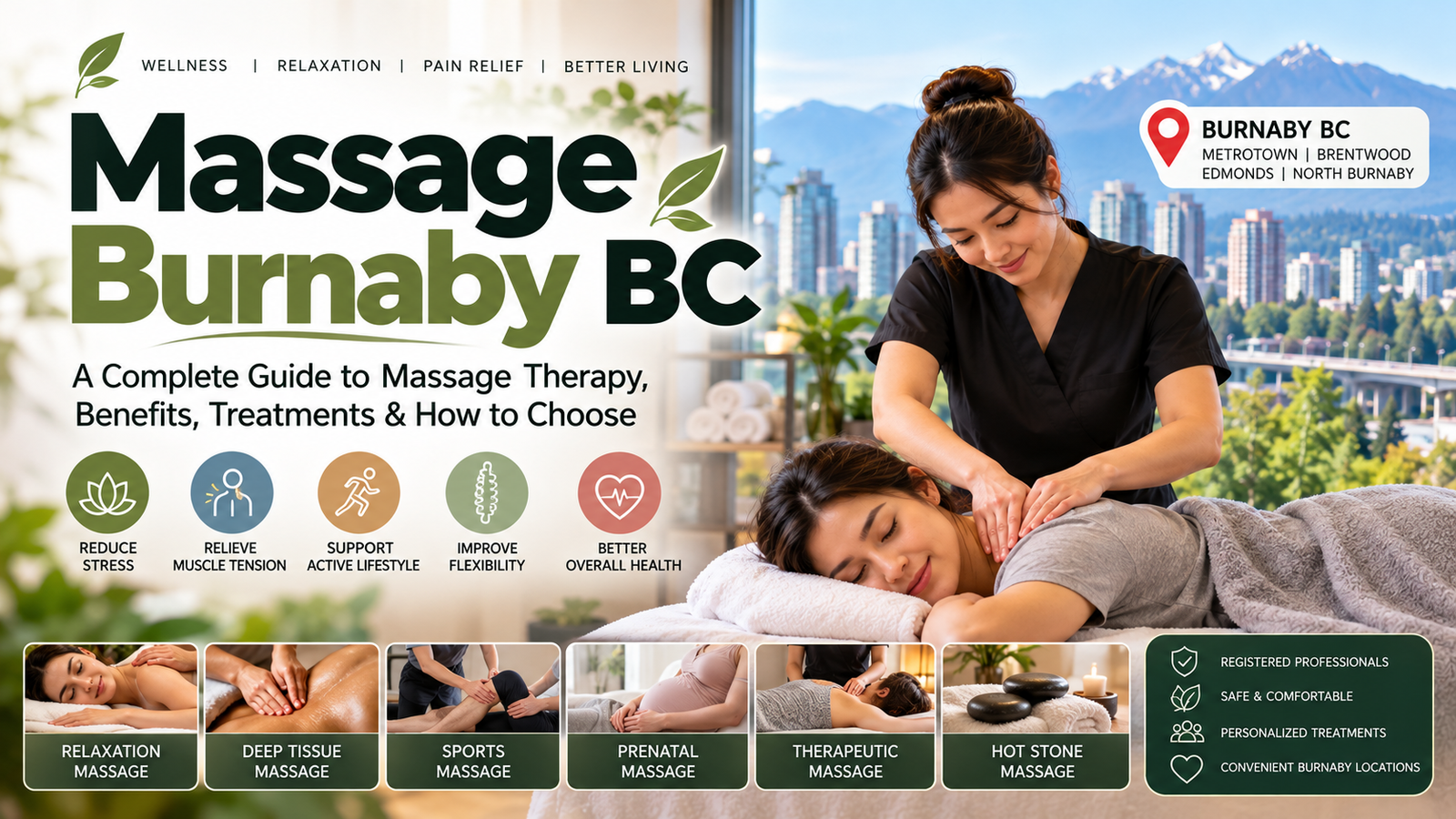
If you are searching for massage Burnaby BC, you will find different treatment options, including registered massage therapy, deep tissue massage, relaxation massage, sports massage, and therapeutic massage. Each option serves a different purpose, and the right choice depends on your comfort level, preferences, health history, and treatment goals.
Burnaby, British Columbia, offers a range of massage clinics and wellness facilities across areas such as Metrotown, Brentwood, North Burnaby, Edmonds, and surrounding neighbourhoods. Understanding the differences between massage treatments, knowing what to expect during an appointment, and checking practitioner qualifications can help you make an informed decision.
This guide explains how massage therapy works, what services to consider, how to choose a clinic, and what to know before booking an appointment in Burnaby.
What Is Massage Burnaby BC Therapy?
Massage therapy involves using manual techniques to work with the body’s soft tissues, including muscles and connective tissues. Depending on the practitioner’s qualifications and the treatment approach, a session may include techniques such as gentle pressure, kneading, stretching, and controlled tissue mobilization.
In British Columbia, registered massage therapy is a regulated health profession. Under the provincial regulatory framework, massage therapists assess relevant physical conditions and provide treatment using manual methods within their authorized scope of practice.
Massage therapy may be considered for muscle tension, certain types of musculoskeletal discomfort, physical function, and general wellness. However, it is not a guaranteed solution for every condition, and the results vary between individuals.
People looking for massage Burnaby BC services should first decide whether they want a therapeutic appointment focused on a particular concern or a relaxation-focused treatment intended to support rest and comfort.
Who May Benefit From Massage Burnaby BC?
Massage may be worth considering for people who:
- Experience muscle tightness after sitting or standing for long periods.
- Want support with general muscle soreness following physical activity.
- Prefer a structured approach to managing certain musculoskeletal concerns.
- Spend considerable time working at a computer.
- Want to incorporate relaxation into their wellness routine.
- Need guidance on choosing appropriate soft-tissue care.
Massage is not appropriate for every situation. New, severe, unexplained, or worsening symptoms should be assessed by a qualified healthcare professional before arranging treatment.
Types of Massage Burnaby BC
Massage clinics may offer several treatments. Understanding their differences can help you select a service that matches your goals rather than choosing a session based only on its name.
| Massage type | Main focus | May suit people who | Pressure |
|---|---|---|---|
| Registered massage therapy | Assessment and treatment of soft-tissue and joint-related concerns within professional scope | Want an individualized therapeutic session | Depends on assessment |
| Deep tissue massage | Working with deeper layers of soft tissue | Prefer focused work on persistent muscle tightness | Moderate to firm, as tolerated |
| Relaxation massage | Comfort, rest, and relaxation | Want a calming wellness experience | Usually light to moderate |
| Sports massage | Muscle care related to exercise and athletic activity | Participate in sports or regular training | Tailored to the person |
| Swedish massage | Flowing strokes and gentle kneading | Prefer a traditional relaxation-oriented approach | Usually light to moderate |
| Prenatal massage | Adapted massage during pregnancy | Pregnant clients seeking suitable massage care | Modified for safety and comfort |
| Therapeutic massage | Targeted treatment based on individual needs | Want attention to particular areas of discomfort | Customized |
| Hot stone massage | Warm stones incorporated into a relaxation treatment | Enjoy warmth as part of a spa experience | Depends on the treatment |
Availability, terminology, practitioner qualifications, and treatment methods differ between clinics. Confirm the details before booking.
1. Registered Massage Burnaby BC Therapy
Registered massage therapy, often abbreviated as RMT, is a suitable option to investigate when you have a specific physical concern and want an appointment with a qualified practitioner.
An appointment may begin with questions about your symptoms, daily activities, health history, and treatment goals. The practitioner may then assess relevant movement or soft-tissue areas before discussing a treatment approach.
People searching for massage Burnaby BC for neck stiffness, back discomfort, or muscle tightness may wish to ask whether the clinic provides registered massage therapy and whether the practitioner has experience relevant to their concerns.
Treatment should be adapted to the client’s needs, comfort, and clinical circumstances. You should always be able to ask questions or request a change in pressure.
2. Deep Tissue Massage Burnaby BC
Deep tissue massage generally uses more focused pressure to work on deeper layers of soft tissue. It may be considered by people who prefer targeted treatment for areas of muscle tightness.
For example, someone who spends much of the day sitting at a computer might experience tension around the shoulders and upper back. Another person may notice tightness after repetitive physical work or exercise.
Deep tissue massage should not automatically be painful to be effective. Excessive pressure can cause soreness or aggravate some conditions.
Before choosing this treatment, explain your preferences to the practitioner. If you have an injury, take blood-thinning medication, or have a condition that affects tissue sensitivity, discuss whether the treatment is appropriate.
3. Relaxation Massage Burnaby BC
Relaxation massage focuses on comfort and a calming experience rather than treating a particular medical concern.
A session may use gentle, flowing movements and a quieter environment to help you take a break from everyday responsibilities. Some clients choose relaxation massage because they spend long hours working, managing household commitments, or balancing demanding schedules.
If your primary goal is to relax, ask the clinic about session length, pressure options, room conditions, and any additional services included in the appointment.
4. Sports Massage Burnaby BC
Sports massage is designed around the needs of people who participate in physical activity. Depending on the practitioner and the client’s circumstances, a session may focus on muscle tightness, training-related soreness, or soft-tissue care.
Runners, gym users, recreational athletes, and people involved in physically demanding hobbies may consider this type of treatment.
However, massage should not be treated as a substitute for appropriate injury assessment or rehabilitation. A suspected fracture, significant swelling, sudden injury, or severe pain requires proper medical evaluation.
5. Prenatal Massage Burnaby BC
Prenatal massage is adapted for people who are pregnant. Positioning, pressure, techniques, and timing may need to change according to the stage of pregnancy and individual health circumstances.
If you are considering prenatal massage in Burnaby, choose a practitioner with suitable training and ask whether the service is appropriate for your circumstances. Consult your maternity care provider when you have pregnancy-related complications or concerns.
The priority should always be comfort and safety rather than using a standard massage routine without modification.
Benefits of Massage Burnaby BC Therapy: What Can You Realistically Expect?
Massage is frequently used as part of personal wellness and musculoskeletal care. Its effects depend on the treatment, the person’s condition, and other factors such as sleep, activity levels, stress, and general health.
It is important to distinguish potential benefits from guaranteed outcomes. Massage does not cure every cause of pain, permanently correct posture, or replace medical treatment when medical care is needed.
Potential Benefits
| Potential benefit | How massage may help | Important consideration |
|---|---|---|
| Short-term muscle relaxation | Manual techniques may reduce the feeling of tightness | Effects can be temporary |
| Comfort after physical activity | Some people find massage helpful for post-exercise soreness | Recovery also depends on rest and training |
| Temporary relief of certain aches | Massage may help some people manage musculoskeletal discomfort | The cause of persistent pain should be assessed |
| Relaxation | A comfortable session may provide time to rest | Individual experiences differ |
| Body awareness | Treatment discussions may help identify activities associated with tension | This does not replace a medical diagnosis |
| Support for a wellness routine | Scheduled appointments can provide a structured opportunity for self-care | Frequency should reflect individual needs and budget |
Massage Burnaby BC for Neck and Shoulder Tension
Neck and shoulder tension can be associated with prolonged computer use, repetitive activities, stress, and sustained positions.
A massage appointment may focus on the surrounding soft tissues, depending on the assessment and the client’s needs. Some people find this helpful alongside changes to workstation setup, regular movement breaks, and appropriate exercise.
If neck discomfort is accompanied by significant weakness, numbness, severe headache, fever, or symptoms following an accident, seek medical advice rather than relying on massage alone.
Massage Burnaby BC for Back Discomfort
Back discomfort can have many causes, ranging from temporary muscle soreness to conditions requiring medical assessment.
A practitioner providing registered massage therapy may consider the location and nature of the symptoms, relevant health history, and movement limitations when deciding whether treatment is appropriate.
For people searching for massage Burnaby BC because of back tension, it is worth asking the clinic how appointments are tailored to individual concerns.
Massage may be one component of a broader approach that can include physical activity, exercise, ergonomic adjustments, and advice from qualified healthcare professionals.
Massage Burnaby BC for Stress and Relaxation
Many people choose massage because they want dedicated time away from daily demands.
A comfortable environment, appropriate pressure, and an unhurried appointment may support relaxation. Some clients report feeling calmer after a session, although massage should not be presented as a guaranteed treatment for anxiety, depression, or other mental health conditions.
People experiencing persistent emotional distress should consider speaking with a qualified healthcare professional about suitable support.
How to Choose the Best Massage Burnaby BC Clinic
Choosing a massage clinic involves more than comparing prices or selecting the nearest location. The practitioner’s qualifications, communication style, treatment options, accessibility, and booking policies can all affect your experience.
Use the following checklist before making an appointment.
| Selection factor | What to check | Why it matters |
|---|---|---|
| Practitioner credentials | Confirm registration when booking registered massage therapy | Helps establish professional eligibility |
| Treatment suitability | Ask whether the clinic provides the service you need | Avoids booking the wrong appointment type |
| Experience | Ask about experience with your particular concern | Helps determine whether the practitioner is a suitable fit |
| Initial assessment | Confirm whether relevant history and symptoms are discussed | Supports an individualized approach |
| Communication | Check whether pressure and comfort can be adjusted | Helps you participate in treatment decisions |
| Pricing | Request the total cost and any additional charges | Prevents unexpected expenses |
| Appointment duration | Check whether the listed time includes consultation | Makes comparisons more meaningful |
| Insurance receipts | Ask about receipts and direct billing | Clarifies reimbursement arrangements |
| Location | Consider parking, transit, and travel time | Makes attending appointments easier |
| Cancellation policy | Check notice periods and missed-appointment fees | Helps you avoid unexpected charges |
Verify the Practitioner’s Credentials
In British Columbia, the professional title used for registered massage therapy is subject to provincial regulation. The current regulatory framework identifies the College of Complementary Health Professionals of British Columbia as the regulator for designated health professions, including massage therapy.
You can consult the regulator’s official information and use professional directories to help verify credentials.
The Registered Massage Therapists Association of British Columbia also provides a practitioner search tool.
Before booking, confirm the person’s current registration status and ensure that the service offered matches your needs.
Read Reviews Carefully
Online reviews can help you understand how other clients describe a clinic, but they should not be your only source of information.
Look for recurring comments about:
- Professional communication.
- Cleanliness and comfort.
- Appointment punctuality.
- Clear explanations of treatment.
- Respect for privacy and personal boundaries.
- Transparent pricing and booking procedures.
Be cautious about promotional claims that promise to cure chronic conditions, guarantee specific results, or eliminate the need for medical care.
Compare Services Before Comparing Prices
A lower price does not always mean better value, and a higher price does not automatically indicate better treatment.
Compare the duration, qualifications, treatment format, and included services. A 60-minute appointment that includes an initial consultation may differ from a 60-minute hands-on session.
When searching for massage Burnaby BC, ask clinics to explain these differences before making your decision.
Massage Clinic Locations Across Burnaby
Burnaby includes several commercial and residential areas where people may look for massage services. Choosing a convenient neighbourhood can make it easier to attend appointments consistently.
| Burnaby area | What to consider when searching | Useful search phrase |
|---|---|---|
| Metrotown | Access to shopping areas, transit, and nearby commercial buildings | Massage near Metrotown Burnaby |
| Brentwood | Clinics near offices, residential developments, and transit connections | Massage therapy Brentwood Burnaby |
| North Burnaby | Options along Hastings Street and surrounding neighbourhoods | North Burnaby massage therapy |
| Edmonds | Convenience for residents in southeastern Burnaby | Massage near Edmonds Burnaby |
| Royal Oak | Accessibility for nearby residential areas | Massage therapy Royal Oak Burnaby |
| Burnaby Heights | Local services around Hastings Street | Massage clinic Burnaby Heights |
| Central Burnaby | Access from different parts of the city | Massage Burnaby BC |
These are search areas rather than a ranking of clinics. Availability and travel convenience depend on your starting point, appointment time, and the individual clinic’s location.
Questions to Ask Before Booking
Before confirming your appointment, consider asking:
- Do you offer registered massage therapy or relaxation massage?
- Who will provide the treatment, and what qualifications do they hold?
- Is the appointment appropriate for my symptoms or circumstances?
- What is the total price for the session?
- Does the appointment include an assessment?
- Can the pressure and treatment approach be adjusted during the session?
- Do you provide receipts for extended health insurance?
- What is your cancellation policy?
These questions can help you make a more informed choice without relying solely on advertising.
How Much Does Massage Cost in Burnaby, BC?
Massage prices vary between clinics and depend on the service, appointment length, practitioner, and any additional features.
The following table is a planning guide, not a verified price list for individual Burnaby clinics.
| Appointment type | Typical pricing considerations | What to confirm |
|---|---|---|
| 30-minute massage | Shorter, focused appointment | Whether new clients can book this duration |
| 45-minute massage | Intermediate appointment length | Whether consultation time is included |
| 60-minute massage | Common full-session option | Total cost and hands-on treatment time |
| 75-minute massage | Longer appointment | Whether the additional time suits your needs |
| 90-minute massage | Extended treatment or relaxation session | Total fee and appropriate treatment scope |
| Specialty massage | May have different pricing | Training requirements and additional charges |
Factors That Affect Massage Prices
Appointment length: Longer sessions generally cost more than shorter appointments.
Treatment type: Specialty services may have different rates depending on the clinic and practitioner.
Practitioner qualifications: The provider’s credentials and service model can influence pricing.
Clinic location: Rent, facilities, and operating costs may contribute to differences between clinics.
Insurance arrangements: Direct billing, receipts, and reimbursement policies vary. Confirm coverage with your insurer rather than assuming a particular service will be reimbursed.
When comparing prices for massage Burnaby BC, look at the total cost and the service provided, not just the advertised starting price.
Does Extended Health Insurance Cover Registered Massage Therapy in BC?
Some extended health benefit plans include registered massage therapy, but coverage is determined by the specific insurance policy.
Before booking, review your plan or contact your insurer to confirm:
- Whether registered massage therapy is covered.
- Whether a referral is required.
- The annual reimbursement limit.
- The maximum amount payable per appointment.
- Whether the practitioner must meet specific registration requirements.
- Whether direct billing is available.
- What information must appear on your receipt.
Do not assume that all massage services are eligible for reimbursement. A relaxation massage offered by a spa may be treated differently from a session with a registered massage therapist.
You should also distinguish private extended health insurance from provincial medical coverage. Eligibility for any provincial benefits depends on the applicable program rules and your individual circumstances.
What Happens During a Massage Appointment?
Knowing what to expect can help you feel more comfortable, especially if it is your first visit.
Step 1: Booking and Preparation
Choose the appropriate service and confirm the appointment duration, price, address, and cancellation terms.
If you have a particular concern, mention it when booking. You can also ask whether you need to bring a referral, insurance information, or other documentation.
Step 2: Health History and Consultation
For a therapeutic appointment, the practitioner may ask about your symptoms, previous injuries, relevant medical history, medications, and treatment goals.
Answer these questions honestly. Information about health conditions and medication can help the practitioner decide whether modifications or further assessment are needed.
Step 3: Assessment and Treatment Plan
The practitioner may assess relevant movement or soft-tissue areas and explain the proposed approach.
You should have an opportunity to ask questions and agree on a treatment plan. You can decline any technique or request adjustments.
Step 4: The Massage Session
Treatment may involve different manual techniques depending on the service selected.
You should communicate if the pressure is uncomfortable, if you feel unwell, or if any movement causes unusual symptoms. Pain should not be ignored simply because a technique is described as deep tissue or therapeutic.
Step 5: Aftercare and Follow-Up
After the appointment, the practitioner may discuss how you responded to treatment and whether any follow-up is appropriate.
You do not necessarily need repeated sessions. The right frequency depends on your goals, response, financial circumstances, and professional guidance.
Safety Considerations Before Getting a Massage
Massage is not suitable for every health situation. The appropriate treatment depends on the person’s condition, the affected area, and the techniques being considered.
Tell your practitioner if you have:
- A recent injury or suspected fracture.
- A history of blood clots or a clotting disorder.
- A bleeding disorder or take anticoagulant medication.
- An active skin infection or contagious skin condition.
- Fever or an acute illness.
- Recent surgery.
- Significant swelling or unexplained pain.
- Pregnancy-related concerns or complications.
- A condition that affects sensation or tissue sensitivity.
This list is not exhaustive. Your practitioner may recommend postponing treatment, modifying the technique, or seeking medical advice.
Seek urgent medical attention for emergency symptoms, including sudden chest pain, severe breathing difficulty, sudden weakness, or other signs of a potentially serious condition.
Is Deep Pressure Always Better?
No. Massage effectiveness should not be judged by how much discomfort you experience during a session.
Strong pressure can lead to soreness and may not be appropriate for some people. A good treatment plan considers your comfort, symptoms, health history, and goals.
If you feel sharp pain, burning, numbness, or unusual discomfort, tell the practitioner immediately.
Massage Therapy vs. Physiotherapy: Which Should You Choose?
Massage therapy and physiotherapy can have different roles in physical care. The appropriate option depends on your symptoms, goals, and the qualifications of the provider.
| Comparison | Massage therapy | Physiotherapy |
|---|---|---|
| Primary approach | Manual assessment and treatment of soft tissues and related joint conditions within scope | Assessment and management of movement and physical function |
| Common methods | Manual techniques and soft-tissue mobilization | Exercise, movement training, education, and other appropriate interventions |
| Potential goal | Improve comfort, address certain soft-tissue concerns, and support physical function | Improve mobility, strength, function, and recovery |
| Exercise component | May include relevant advice within professional scope | Often includes an individualized exercise or rehabilitation plan |
| Best starting point | Suitable for some muscle tension and soft-tissue concerns | Often appropriate when movement limitations, rehabilitation, or functional recovery are central |
| Can both be useful? | May form part of a broader care plan | May be combined with other suitable treatments |
These are general distinctions, not absolute rules. Services overlap, and a qualified provider can help you determine whether the service is suitable or whether another type of assessment would be more appropriate.
Tips to Get More Value From Your Massage Appointment
A little preparation can help make your session more comfortable and productive.
Explain your goals clearly. Rather than simply asking for a full-body massage, explain whether your priority is relaxation, general muscle tightness, or a specific area of discomfort.
Share relevant health information. Mention injuries, medications, medical conditions, and other factors that could influence treatment.
Speak up about pressure. Your preferences can change during the session. Tell the practitioner if you need lighter pressure, a different position, or a pause.
Allow time to relax. Avoid rushing into and out of an appointment if you can. Arriving a few minutes early may help you complete any required paperwork.
Follow appropriate aftercare guidance. Follow the practitioner’s advice and avoid activities that aggravate your symptoms.
Evaluate your response. Consider whether the appointment met your expectations, whether you felt comfortable, and whether the treatment approach made sense for your goals.
Review your budget. Regular appointments can become expensive. Ask whether follow-up sessions are recommended and why, rather than committing to a package without understanding its purpose.
Frequently Asked Questions About Massage Burnaby BC
1. Where can I find massage Burnaby BC services?
You can search for massage clinics throughout Burnaby, including Metrotown, Brentwood, North Burnaby, Edmonds, and Burnaby Heights. Compare practitioner credentials, treatment options, location, prices, and recent client feedback before booking.
2. What is the difference between an RMT and a regular massage provider?
An RMT is a registered massage therapist authorized to practise under British Columbia’s applicable regulatory framework. Other providers may offer relaxation or spa massage without providing regulated registered massage therapy. Confirm the practitioner’s credentials and the type of service being offered.
3. How long should a massage session last?
Session length depends on the service and your goals. Clinics may offer appointments of 30, 45, 60, 75, or 90 minutes. Ask whether the listed duration includes consultation and assessment time.
4. Is massage therapy helpful for neck and shoulder tension?
Some people experience short-term relief from certain types of muscle tension after massage. Results vary, and persistent or unexplained symptoms may require medical assessment. A practitioner can help determine whether treatment is appropriate.
5. Is deep tissue massage painful?
Deep tissue massage can involve firm pressure, but it should not require you to tolerate sharp or excessive pain. Tell the practitioner if the pressure is uncomfortable so the technique can be adjusted.
6. Can I claim massage therapy through insurance?
Some extended health plans reimburse eligible registered massage therapy appointments. Coverage, referral requirements, reimbursement limits, and practitioner eligibility vary by policy. Confirm the details with your insurer before booking.
7. Should I book massage or physiotherapy for back pain?
The right option depends on the nature of your symptoms and your goals. Massage may help some people with muscle-related discomfort, while physiotherapy may be more suitable when movement, strength, or rehabilitation is a central concern. Seek medical assessment for severe, unexplained, or worsening symptoms.
8. How often should I get a massage?
There is no universal schedule that suits everyone. Frequency depends on your goals, response to treatment, health circumstances, and budget. Discuss the expected benefits and reasons for follow-up appointments with your practitioner.
9. Is massage safe during pregnancy?
Some pregnant people may receive appropriately adapted prenatal massage. Choose a practitioner with suitable training, communicate your pregnancy-related needs, and consult your maternity care provider when you have concerns or complications.
10. What should I wear to a massage appointment?
Follow the clinic’s instructions and wear comfortable clothing. For table massage, practitioners should explain positioning, draping, and what clothing needs to be removed for the chosen service. You can ask questions, set boundaries, and decline any aspect of treatment.
11. Can massage help with stress?
Many people find massage relaxing and appreciate the opportunity to rest. However, it is not a guaranteed treatment for mental health conditions and should not replace appropriate professional care when needed.
12. How do I choose the right massage clinic in Burnaby?
Start by identifying your goals. Verify credentials when booking registered massage therapy, compare services and total prices, read reviews critically, and ask about assessment, communication, privacy, and cancellation policies.
Final Thoughts: Finding the Right Massage in Burnaby
Choosing the right massage service begins with understanding your needs. Whether you are looking for registered massage therapy, deep tissue massage, sports massage, or a relaxation-focused appointment, it is worth taking time to compare treatment options and verify the practitioner’s qualifications.
When evaluating massage Burnaby BC clinics, prioritize professional credentials, clear communication, appropriate treatment methods, transparent pricing, and a convenient location. These factors are more meaningful than relying only on promotional offers or promises of guaranteed results.
Massage may be a useful part of a broader wellness routine, but it should be approached with realistic expectations. For ongoing pain, unusual symptoms, or concerns about whether massage is appropriate, consult a qualified healthcare professional.
With the right information and a suitable practitioner, you can make a more informed decision about massage services in Burnaby and choose an approach that fits your personal needs, preferences, and wellness goals.